September 11, 2026
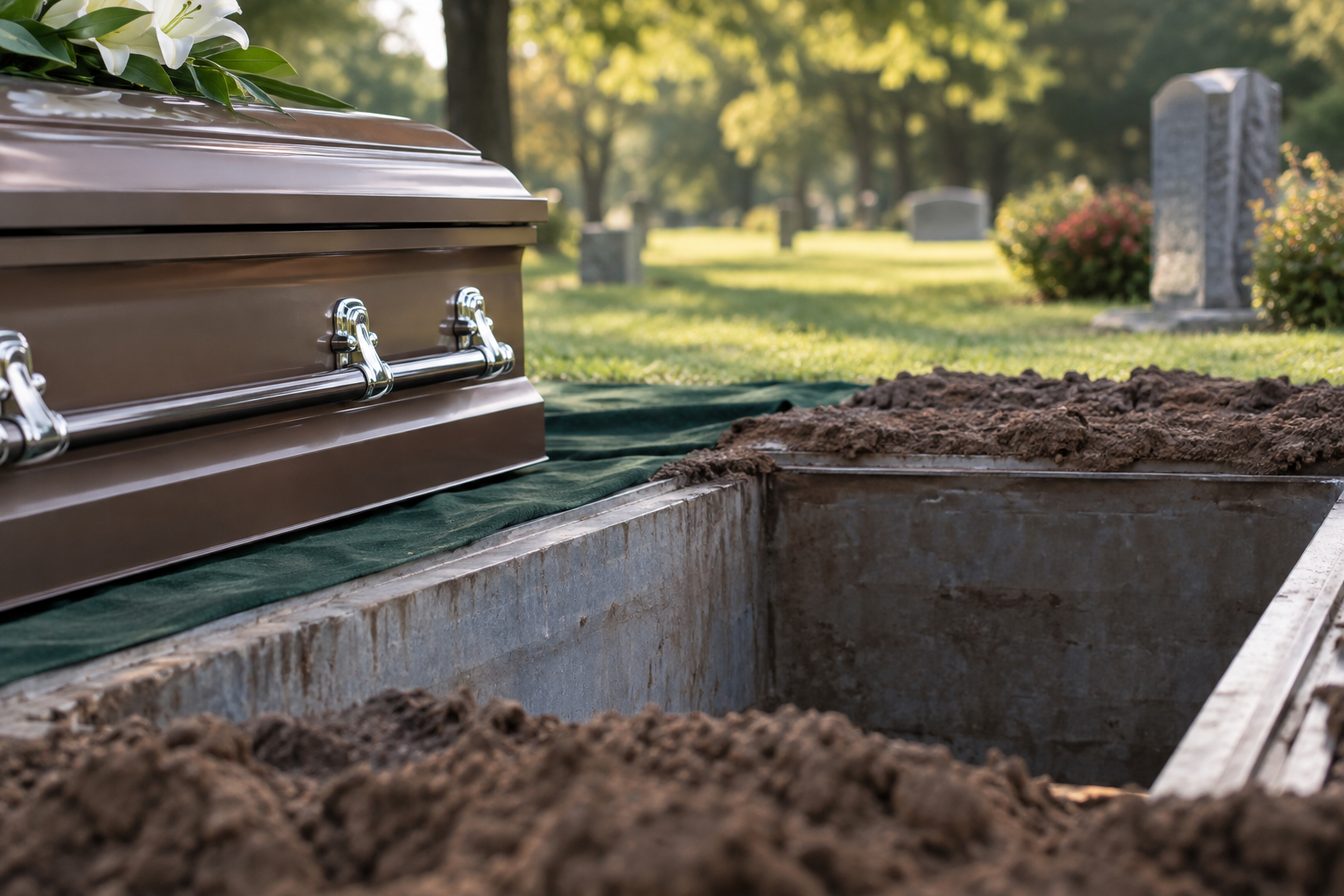
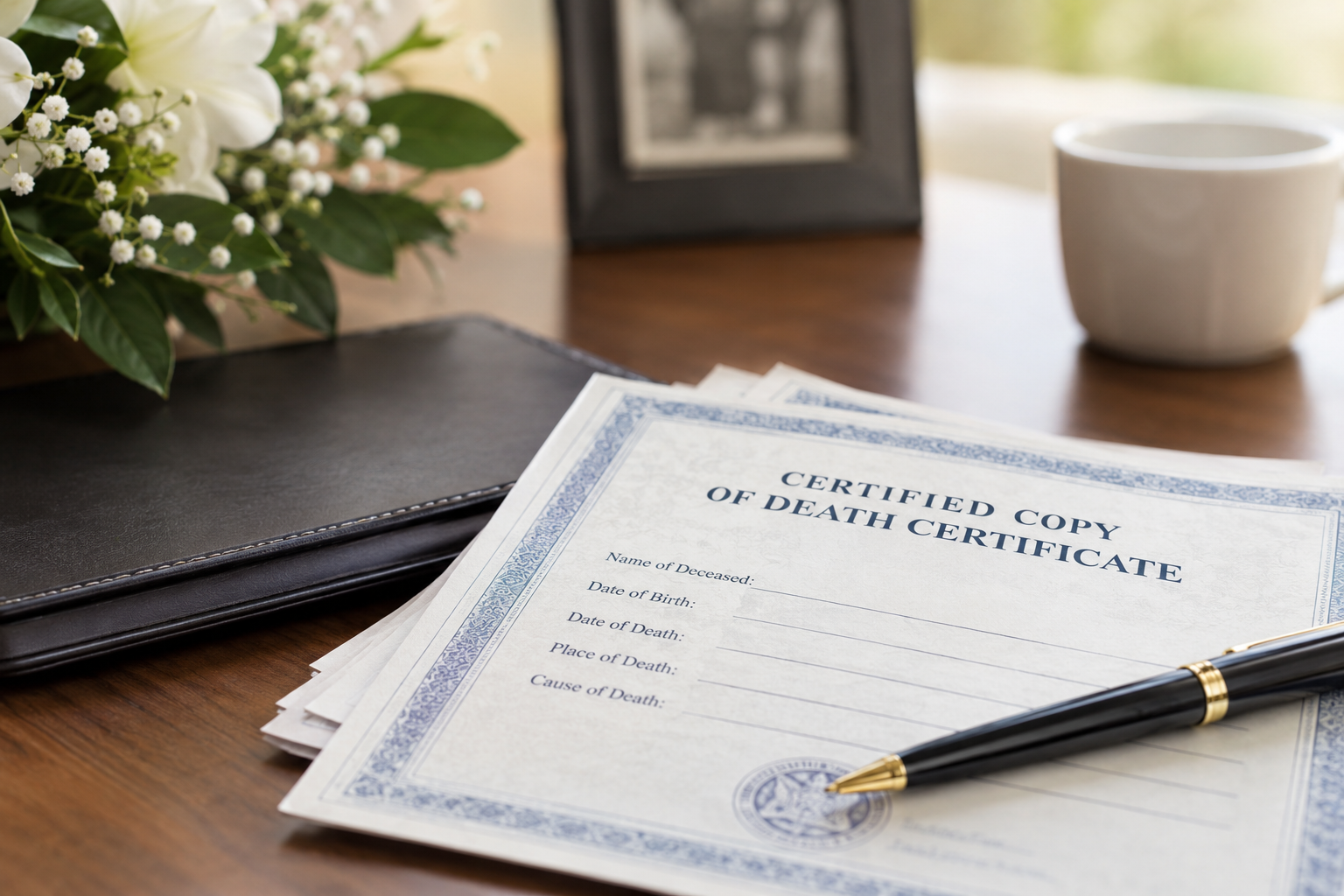
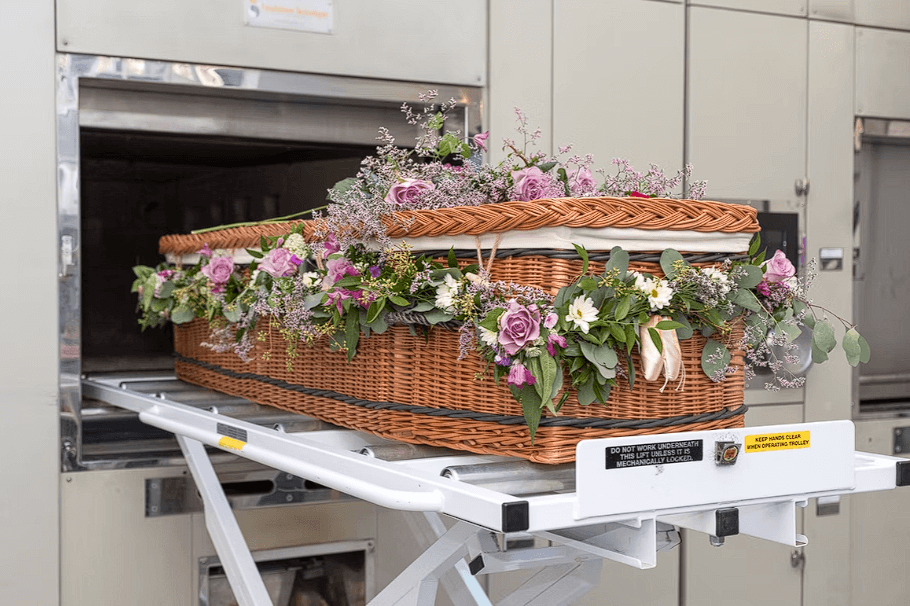
When someone you love dies, it can be difficult to know what happens next. There may be phone calls to make, family members to contact and decisions that suddenly need to be made. At the same time, you may be wondering what actually happens when your loved one is brought into the care of a funeral home. Knowing what to expect can make those first hours and days feel a little less overwhelming. While every family and every situation is different, the process generally begins with a simple phone call. From there, your funeral director helps guide you through the next steps, answers your questions and gives you time to make decisions. The First Call to the Funeral Home After a death occurs, the first step depends on where and how the death occurred. If your loved one was receiving hospice care at home, the hospice provider should be contacted first. Hospice will guide the family through the appropriate steps and contact the funeral home when it is time for your loved one to be transferred into our care. If the death was unexpected and your loved one was not under hospice care, call 911 or the appropriate emergency authority first. Once the proper authorities have been contacted, you can call the funeral home. At Baue Funeral Homes, a funeral director is available 24 hours a day to help families when they need us. You do not need to have everything figured out before you call. In fact, you may not know what questions to ask yet. That is okay. Your funeral director can explain what happens next and help you take things one step at a time. Bringing Your Loved One Into Our Care Once the appropriate arrangements have been made, your loved one is brought into the care of the funeral home. This is an important part of what a funeral home does, but it is also something many families don't know much about. At Baue, caring for your loved one means more than simply transporting them from one place to another. Our staff takes responsibility for their care and treats them with dignity and respect throughout the entire process. If cremation is chosen, we see your loved one through the entire cremation process at our own crematory. For families choosing burial, your funeral director will help coordinate the necessary arrangements for preparation, visitation, funeral services and cemetery services. Meeting With the Funeral Director After your loved one is in our care, you will meet with a funeral director to begin making arrangements. This meeting is sometimes called an arrangement conference. There may be many things to discuss, including: Burial or cremation Visitation or gathering Funeral or memorial service Cemetery arrangements Casket or urn Clothing and personal items Obituary Flowers Music Veterans' honors Religious or cultural traditions Family traditions Personalization Death certificates Final disposition You do not have to know all of the answers when you walk through the door. Your funeral director will explain your options and help you understand what decisions need to be made now and what can wait. What Happens to the Person Who Died? Families sometimes wonder what actually happens to their loved one after they arrive at the funeral home. The answer depends on the family's plans. If the family is having a viewing or visitation, preparation may be discussed based on the family's wishes. This could include embalming, dressing, hairstyling and other preparation. If the family chooses cremation, the funeral director will explain the cremation process and the decisions that need to be made before cremation takes place. If the family chooses burial, the funeral director will coordinate the necessary services and cemetery arrangements. Throughout the process, your loved one remains in our care. Planning the Funeral or Memorial Service One of the most meaningful parts of funeral planning is deciding how you want to gather with the people who knew and loved your family member. A service does not have to follow a specific formula. Some families choose a traditional funeral with visitation followed by a service. Others choose a memorial service after cremation. Some families have a smaller gathering with immediate family, while others want a large celebration that brings together everyone who knew their loved one. The service can include music, photographs, stories, readings, religious traditions, military honors, favorite foods, personal belongings or other details that help tell the story of a life. There is no single right way to have a funeral. The goal is to create something that feels appropriate for your family and reflects the person you are remembering. Writing the Obituary and Sharing the News Your funeral director can also help guide you through the obituary process. An obituary may include basic information such as your loved one's name, age, date of death and surviving family members. But it can also become a meaningful way to tell the story of a life. Families may choose to include photographs, favorite memories, accomplishments, hobbies, organizations, military service and other details that made their loved one who they were. At Baue, obituary pages can also provide information about the service and ways for friends and family to offer condolences, share memories or send flowers. For many families, the obituary becomes much more than an announcement of a death. It becomes a lasting memorial. Death Certificates and Other Paperwork There is also paperwork that needs to be completed after a death. Your funeral home will help with the necessary documents and guide you through obtaining certified copies of the death certificate. Families often wonder how many copies they should order. The answer depends on how many financial accounts, insurance policies, property matters and other legal or business matters need to be handled. Many families find that five to ten certified copies are a reasonable starting point. Additional copies can be ordered later if needed. Your funeral director can help you think through what your family may need. What About the Cemetery? If burial or cemetery placement is part of your plans, there are additional decisions to consider. These may include selecting a cemetery space, choosing a location, purchasing a burial vault or other required cemetery merchandise, and arranging for the opening and closing of the grave. Families choosing cremation may also choose cemetery placement for the cremated remains. Cremation does not mean you have to give up having a permanent place to visit. Some families choose a niche, urn burial or another form of permanent memorialization. What If We Don't Know What We Want Yet? You don't have to have all the answers immediately. This is one of the most important things to remember after someone dies. It is normal to feel uncertain. You may have never planned a funeral before. You may be making decisions for someone else when you don't know what they would have wanted. You may also have family members with different opinions. Your funeral director can help explain your options without expecting you to already understand the process. Ask questions. Take your time when possible. Talk with your family. And don't be afraid to say, “I don't know.” That is part of what a funeral director is there for. What Happens After the Funeral? The funeral home's involvement does not necessarily end when the service is over. Depending on the arrangements, there may still be cemetery placement, cremation, delivery or placement of cremated remains, additional certified death certificates or other details to complete. There may also be questions about memorialization, grief resources, thank-you notes, estate paperwork or other matters that arise after the service. Every family is different, and your funeral director can help you understand what comes next. You Don't Have to Know What to Do When someone dies, families are often told there are many things they need to do. But you don't have to know everything before you make the first phone call. You don't have to know whether you want a funeral or memorial service. You don't have to know whether you want burial or cremation. You don't have to know how many death certificates you need. And you don't have to know what questions to ask. You can simply start with a phone call. At Baue Funeral Homes, our funeral directors are here to guide families through the process, answer questions and help you understand your choices. We know that every person is different and every family is different. Our job is to listen, explain your options and help you make decisions that feel right for your family. When you know what to expect, the process can feel a little less overwhelming. And when you're ready, we're here to help you understand what happens next. Frequently Asked Questions What happens when someone dies at home? If your loved one is receiving hospice care, contact the hospice provider first. If the death is unexpected and your loved one was not under hospice care, call 911 or the appropriate emergency authority. Once the proper authorities have been contacted, you can contact the funeral home. What does a funeral home do after someone dies? A funeral home helps care for the person who died, coordinates transportation and necessary paperwork, assists with funeral or cremation arrangements, helps plan the service and works with the family through burial, cremation or other final arrangements. How soon should I call a funeral home after someone dies? You can call the funeral home as soon as the appropriate medical or emergency authorities have been contacted. If your loved one was receiving hospice care, follow the instructions provided by hospice. Do I have to make funeral arrangements immediately? Some decisions need to be made relatively quickly, but not every decision has to be made at once. Your funeral director can explain what needs immediate attention and what can wait. What happens if I choose cremation? Your funeral director will explain the cremation process, required authorizations and available options. At Baue, we own and operate our own crematory and see your loved one through the entire cremation process. Can I have a funeral if my loved one is cremated? Yes. Families can have a funeral, visitation, memorial service or gathering before or after cremation. How many death certificates should I order? Many families begin with five to ten certified copies, depending on their individual circumstances. Additional copies can be ordered later if needed. What should I bring to the funeral home? Depending on the arrangements, helpful items may include clothing, photographs, information for the obituary, military discharge papers such as a DD214, and any documents or information related to your loved one's wishes. What if I don't know what kind of funeral my loved one wanted? Talk with your funeral director and your family. You can discuss the options available and consider what you know about your loved one's personality, beliefs, relationships and wishes. You do not have to have every answer before you begin. How do I know what happens next? Your funeral director will walk you through the process and explain the decisions that need to be made. You can always ask questions or ask your funeral director to explain something again. At Baue Funeral Homes, we believe knowledge can empower families. Understanding what happens next can help you feel more prepared during a difficult time.