Funeral vs. Memorial Service vs. Celebration of Life: What's the Difference?
When planning a service for someone who has died, families often hear terms like funeral, memorial service, celebration of life and gathering. But what do they actually mean?
The answer can be confusing because these terms are sometimes used interchangeably. There are also no strict rules about what a service has to look like.
A funeral can be traditional. A memorial service can be simple. A celebration of life can be formal or casual. A gathering can include many of the same elements as any other type of service.
What matters most is creating an experience that feels right for your family and honors the person who died.
What Is a Funeral?
A funeral is a service held to honor and remember someone who has died. Traditionally, a funeral takes place relatively soon after death and may include a visitation or viewing followed by a formal service.
A funeral may be held at a funeral home, church or another location.
Depending on the family's wishes, a funeral may include:
- Visitation or viewing
- Prayers or religious traditions
- Readings
- Music
- Eulogies
- Family and friends sharing memories
- Military honors
- Personal photographs
- A procession to the cemetery
- Burial or cremation
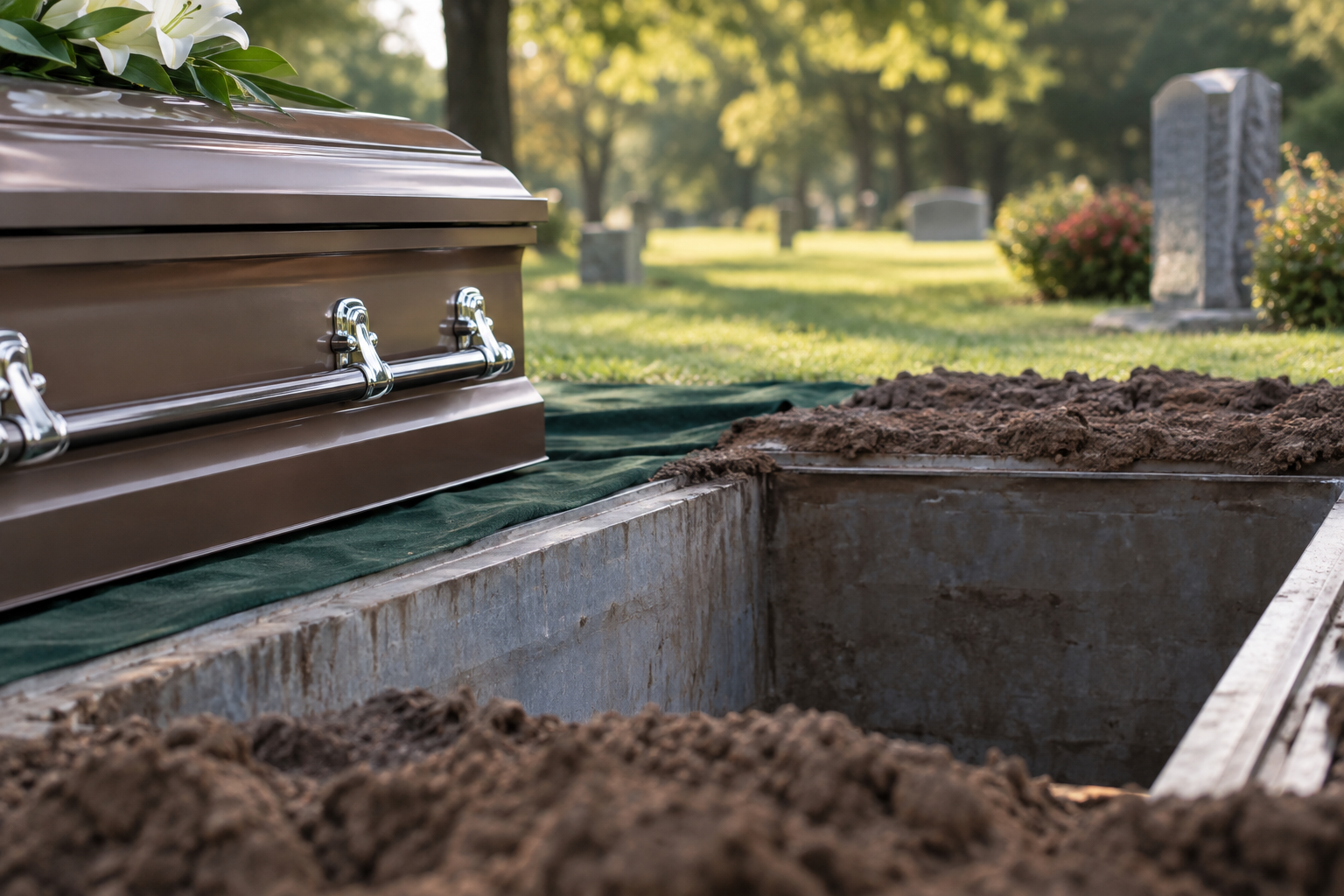
One of the characteristics traditionally associated with a funeral is that the deceased may be present during the service.
However, there is no requirement that every funeral look the same. Families can personalize a funeral in countless ways. Favorite music, photographs, hobbies, meaningful possessions, religious traditions and stories can all become part of the service.
What Is a Memorial Service?
A memorial service is a gathering held to remember and honor someone who has died, but the person who died is typically not present at the service.
A memorial service may take place after cremation or after burial. One benefit of a memorial service is the flexibility it can provide. A family may choose to have a memorial service days, weeks or even months after a death. This can allow additional family members and friends to attend, particularly if people are traveling from different locations.
A memorial service can be just as meaningful as a traditional funeral and may include many of the same elements:
- Music
- Readings
- Prayers
- Photographs
- Stories
- Eulogies
- Video tributes
- Personal belongings
- Military or other honors
- Time for family and friends to share memories
What Is a Celebration of Life?
A celebration of life is a gathering focused on remembering and honoring a person's life, personality, relationships and memories.
The name itself often reflects the tone families want for the gathering.
A celebration of life might be formal, casual, religious, humorous, traditional or completely unique to the person being remembered.
Some families choose a celebration of life because they want the gathering to feel less formal. Others simply prefer the phrase because it reflects how they want to remember their loved one.
There is no specific format a celebration of life has to follow. It could include photographs and stories, favorite music, food, hobbies, videos, personal items or anything else that helps people remember the person.
For one family, a celebration of life might look very similar to a traditional funeral. For another, it might be a casual gathering where people share stories over their loved one's favorite meal.
Both can be meaningful.
Is a Celebration of Life the Same as a Memorial Service?
Not necessarily, although the terms can overlap. Although at times the terms are often used interchangeably, they describe slightly different things. A memorial service refers to a gathering is: a service held to remember someone who has died.
A celebration of life describes more of the tone or approach of the gathering.
A family may have a memorial service that is also a celebration of life.
For example, a family might gather at a funeral home after cremation, display photographs and personal belongings, play the person's favorite songs and invite friends to share stories.
That could accurately be described as both a memorial service and a celebration of life.
Can You Have a Funeral After Cremation?
Yes. Cremation does not mean you cannot have a funeral or memorial service. Families have many options when choosing cremation.
A family may choose to have:
- A funeral service before cremation
- A visitation followed by cremation
- A memorial service after cremation
- A celebration of life after cremation
- A private family gathering
- A combination of services
Cremation determines the method of final disposition. It does not determine how you have to remember your loved one.
This is something many families don't realize. If you want the opportunity to gather with family and friends, share memories and honor your loved one, cremation does not take that opportunity away.
Does the Person Have to Be Present for a Funeral?
Traditionally, a funeral may involve the deceased being present, while a memorial service typically takes place after burial or cremation.
However, families today have more flexibility in how they choose to gather. There are no universal rules that say your service has to follow one particular format. What matters is deciding what will be meaningful and comfortable for your family.
How Do You Choose Between a Funeral and Memorial Service?
There isn't one answer that works for every family.
Start by thinking about what is important to you.
Do you want family and friends to have an opportunity to see and say goodbye to your loved one?
A visitation or funeral with the person present may be meaningful.
Would you prefer to have more time to plan the gathering?
A memorial service after burial or cremation may provide additional flexibility.
Do you want something less traditional?
A celebration of life may be a good fit.
Are there religious or cultural traditions that are important to your family?
Those traditions may help guide your decisions.
You can also talk with your funeral director. They can explain the different options and help you understand how each type of service could work for your family.
How Can You Personalize a Funeral or Memorial Service?
Personalization doesn't have to mean spending more money. Some of the most meaningful details are simple.
Consider incorporating:
Photographs
Display photographs from different stages of your loved one's life.
Music
Choose songs your loved one enjoyed or music that holds special meaning for your family.
Stories
Invite family members and friends to share memories.
Personal belongings
Display items connected to hobbies, careers, accomplishments or everyday life.
Favorite foods
If appropriate, serve favorite foods or refreshments during a gathering.
Military service
If your loved one served in the military, ask about available military honors.
Religious traditions
Include prayers, readings or other traditions that were meaningful to your loved one.
Hobbies and interests
Whether they loved gardening, fishing, sports, cooking, travel or collecting something, those interests can become part of the service.
The goal isn't to create a perfect service. The goal is to create something that feels like the person you are remembering.
Do You Have to Call It a Funeral?
No. Families sometimes become concerned about choosing the “right” terminology. You don't have to. You can call your gathering a funeral, memorial service, celebration of life, remembrance service or simply a gathering. The name matters far less than what the gathering means to your family.
What matters is giving people an opportunity to come together, remember someone they love and support one another.
Can a Funeral Be Simple?
Absolutely. A meaningful service doesn't have to be elaborate. A small gathering with close family and friends can be just as meaningful as a large service. Some families want a traditional ceremony with many elements. Others prefer something simple and intimate. There is no required number of people, decorations, readings, songs or speeches. Your service should reflect your family and your loved one—not someone else's idea of what a funeral should be.
What If Our Family Doesn't Know What Our Loved One Wanted?
This is a common concern. Sometimes a person leaves detailed instructions about their funeral or cremation wishes. Other times, families are left to make decisions without knowing exactly what their loved one would have chosen. If you find yourself in that situation, start with what you do know. Think about your loved one's personality, beliefs, relationships, traditions and the things that were important to them. Ask family members what they remember. You may be surprised by how many small details come together to create a meaningful picture of what your loved one might have wanted. And remember—you don't have to make every decision perfectly. You are making decisions out of love.
There Is No One Right Way to Remember Someone
A funeral.
A memorial service.
A celebration of life.
A small family gathering.
A large service filled with friends and relatives.
Each can be meaningful.
The most important thing is that the service gives your family an opportunity to remember, honor and say goodbye in a way that feels right.
At Baue Funeral Homes, we work with families to help them understand their options and create services that are meaningful and personal.
Whether you choose a traditional funeral, a memorial service, a celebration of life or something completely your own, we are here to help you understand what's possible and what comes next.
Frequently Asked Questions
What is the difference between a funeral and a memorial service?
A funeral traditionally takes place with the deceased present, while a memorial service typically takes place after burial or cremation. However, families have flexibility in how they choose to hold a service.
What is a celebration of life?
A celebration of life is a gathering focused on remembering and honoring a person's life, relationships, personality and memories. It can be formal, casual, religious or completely personalized.
Is a celebration of life the same as a funeral?
Not necessarily. A celebration of life can be considered a type of funeral or memorial gathering, but the term often suggests a more personalized or less traditional approach.
Can you have a memorial service after cremation?
Yes. Many families choose to hold a memorial service after cremation. The service can take place at a funeral home, church or another meaningful location.
Can you have a funeral before cremation?
Yes. Families can have a visitation or funeral service before cremation.
Can a celebration of life be held at a funeral home?
Yes. Funeral homes can provide a setting for celebrations of life, memorial services and traditional funerals.
How long after someone dies is a memorial service?
There is no required timeframe for a memorial service. Some families hold one within days of the death, while others wait weeks or months to allow family and friends time to gather.
What should be included in a celebration of life?
There are no required elements. Families may include photographs, music, stories, readings, videos, personal belongings, food, hobbies, religious traditions or anything else that helps tell the story of the person's life.
Is a funeral always religious?
No. A funeral can be religious, spiritual, secular or personalized around the beliefs and wishes of the person and family.
How do I decide what type of service is right for my family?
Consider your loved one's wishes, your family's traditions, whether you want the person present, the type of gathering you want and what would be meaningful to those attending. A funeral director can also help you understand your options.