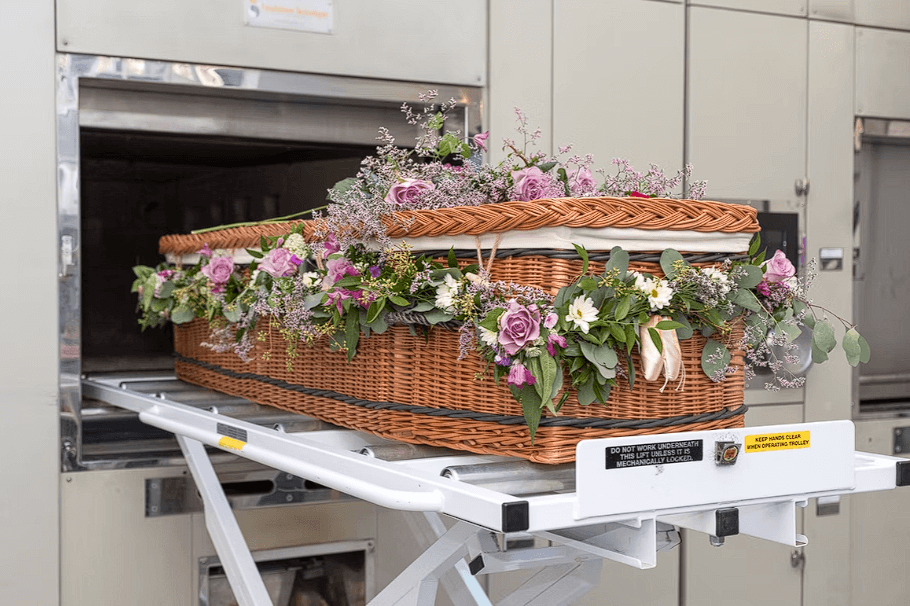
No Service Held? How to Cope with Grief on Your Own Terms

Navigating Loss Outside Traditional Expectations
When a loved one passes away, traditional funeral services are often seen as the standard path toward closure and communal support. However, there are many circumstances where holding a formal service simply is not possible or aligned with wishes. Whether due to the explicit final wishes of the deceased, sudden financial constraints, geographic dispersion of family members, or unexpected global circumstances, passing without a funeral can leave surviving family members feeling adrift. You may find yourself wondering how to process your loss without the structure that a public ceremony usually provides.
It is crucial to understand that coping with grief without a service is entirely possible, valid, and deeply personal. Mourning does not require an organized event to be real, meaningful, or healing. At Baue Funerals, we believe that every individual deserves the space and freedom to honor their loved ones in ways that feel authentic to their unique journey and relationships.
Understanding Your Grief When There Is No Formal Service
Traditional memorial services serve a specific purpose: they provide a structured timeline, a designated gathering place, and a shared script for expressing condolences. When these elements are absent, grief can feel uncharted and overwhelming. You might experience peculiar feelings of guilt, uncertainty, or an unmet need for closure.
Without a service, you might notice the following emotional dynamics:
- A feeling of unfinished business: Lacking a definitive moment of farewell can make the loss feel surreal or difficult to fully accept.
- Isolation: Without a public gathering, friends and extended family may not know how or when to reach out, leading to less immediate social support.
- Unexpressed sentiment: You may have written a eulogy, compiled photos, or prepared memories that now feel left unshared.
Acknowledging these feelings is the first step toward constructive healing. Closure is not a single event marked by a funeral service; rather, it is an ongoing process of integrating the reality of the loss into your life over time.
Meaningful Ways to Honor a Loved One on Your Own Terms
Grieving on your own terms means taking control of how, when, and where you remember your loved one. Here are several compassionate and personalized strategies for honoring someone special without a formal traditional service.
1. Create a Dedicated Memorial Space at Home
Designating a quiet physical area in your home can offer a focused point for reflection and memory. This space does not need to be elaborate. You might set up a small table featuring:
- A framed photograph capturing a joyful moment
- A small vase with fresh flowers or a meaningful houseplant
- A candle you light during moments of quiet meditation or reflection
- Personal keepsake items, such as a favorite book, watch, or piece of jewelry
Visiting this space intentionally each day can give your grief a physical destination, allowing you to pay respects in peace whenever you choose.
2. Embrace Digital Memorialization
If physical gatherings are not feasible due to distance or time constraints, technology offers modern paths for shared remembrance. Creating an online tribute allows family and friends from around the world to offer condolences, share photos, write stories, and celebrate a life lived.
Exploring modern digital memorialization options enables you to build a permanent, interactive archive of your loved one's legacy that can be accessed at any time from anywhere.
3. Host an Informal Gathering or Backyard Celebration
Honoring someone does not require formal suits, speeches, or a chapel setting. An informal gathering allows you to connect with loved ones in an intimate, comfortable environment. Consider organizing:
- A casual dinner at home featuring your loved one's favorite meals or recipes
- A walk or hike along a favorite trail or park bench
- A campfire evening where stories and memories are shared naturally
- A small gathering at a meaningful public landmark or beach
Practical Strategies for Processing Grief Day by Day
Coping with loss is an active, ongoing effort. When you do not have the collective experience of a funeral to jumpstart your mourning process, daily coping strategies become even more essential for your emotional well-being.
Write Down Your Thoughts and Memories
Journaling is a powerful therapeutic tool for managing grief. Consider keeping a dedicated notebook where you write letters directly to your loved one, record stories you never want to forget, or simply express the raw emotions of the day. Writing gives form to intangible feelings and provides a safe outlet for emotional release.
Establish Personal Remembrance Rituals
Rituals provide rhythm and comfort during chaotic emotional times. You can establish simple, recurring actions that pay tribute to your loved one's impact on your life:
- Acts of Kindness: Perform a good deed on special dates, such as their birthday or holidays, in their honor.
- Planting a Living Tribute: Plant a tree, garden, or perennial flower that will grow and bloom year after year as a living symbol of remembrance.
- Listening to Music: Create a playlist of songs that remind you of them and listen to it during quiet moments or solitary drives.
Seek Support Beyond the Immediate Family
Grieving alone does not mean you have to be lonely. When public community support is not organized via a service, it is important to proactively build a support network. Reach out to trusted friends, join local grief support groups, or consult professional counselors who specialize in bereavement.
You can access specialized, compassionate assistance through professional grief support resources designed to help individuals navigate emotional recovery at their own pace.
How Baue Funerals Supports Your Unique Healing Journey
At Baue Funerals, we recognize that every family and every grieving process is unique. Whether you choose a traditional service, a quiet cremation without a public event, or an informal memorial held months later, our primary mission remains the same: supporting you through every step of loss.
Even if a formal service was not held at the time of passing, professional guidance is always available. From helping you arrange private tributes to guiding you toward long-term emotional support resources, know that we are here for you whenever you need compassionate expertise.
Finding Healing on Your Own Timeline
There is no correct timeline or singular formula for mourning a loss. Choosing not to hold a traditional service—or being unable to do so—does not lessen the deep love you hold or the significance of the life that was lived. By giving yourself permission to grieve authentically and adopting meaningful personal rituals, you can find peace, healing, and enduring connection on your own terms.