Religious Funeral Traditions: How to Honor Different Faiths and Cultures
Funeral Traditions can look different from one family to another. Religious beliefs, cultural traditions family customs and personal wishes can all influence how a person is honored after death. ions, beliefs, and ways of honoring someone who has died.
Funeral traditions can vary greatly, even among people who share the same faith.
At Baue Funeral Homes, we help families from many different religious and cultural backgrounds. Our goal is to understand what is important to your family and help coordinate arrangements that respect those traditions.
Hindu Funeral Traditions
Many Hindu families have traditions that emphasize the transition from one stage of existence to another. Cremation is a common practice in Hindu funerals, although customs can vary among families and communities.
Depending on the family's beliefs and traditions, prayers, rituals, family participation, and the involvement of a Hindu priest may be important parts of the funeral process.
Families may also have specific wishes regarding the timing of services, preparation of the body, cremation, or other religious practices.
If your family follows Hindu traditions, speaking with your priest or religious leader can help determine which practices are important to include. Your funeral director can then help coordinate the practical details.
Buddhist Funeral Traditions
Buddhist funeral practices vary considerably among different Buddhist traditions and communities. Some families may incorporate chanting, meditation, prayers, readings, or teachings from a monk or other Buddhist spiritual leader.
A family may prefer a quiet and simple gathering, while another may have more extensive religious ceremonies. Certain families may also have specific customs regarding the care of the body and the timing of ceremonies.
Because Buddhist practices can differ, families may wish to involve their spiritual leader early in the planning process. A funeral director can work with the family and their religious leader to coordinate the arrangements.
Jewish Funeral Traditions
Jewish funeral traditions emphasize honoring the deceased and supporting the family and community. Traditional Jewish funerals generally involve burial, and many families follow customs that call for the funeral to take place relatively soon after death.
A rabbi may lead prayers and readings, and family members and friends may participate in meaningful ways. Jewish mourning traditions continue beyond the funeral, providing structure and opportunities for remembrance and support.
Jewish practices vary among families and communities. Families may wish to work closely with their rabbi to determine which traditions should be followed and how they can be incorporated into the funeral arrangements.
Muslim Funeral Traditions
Many Muslim funeral traditions emphasize simplicity, dignity, prayer, and burial. Families may work closely with an imam or other Muslim religious leader throughout the funeral process.
Traditional practices may include specific preparation of the body, funeral prayers, and burial. Timing can also be an important consideration.
Because Muslim funeral practices can involve specific religious requirements, families should involve their imam or Islamic community as early as possible. The funeral home can then help coordinate the arrangements while respecting those religious wishes.
Christian Funeral Traditions
Christian funeral services can look very different depending on the family's denomination, church, and personal beliefs.
A service may include Scripture readings, prayers, hymns, a sermon or message from clergy, communion, or other religious elements. Services may take place at a church, funeral home, graveside, or another meaningful location.
Catholic, Orthodox, Protestant, and other Christian traditions may have different practices. Families can work with their clergy and funeral director to determine how their traditions can be incorporated into the service.
Other Religious and Cultural Traditions
There are many other faiths and cultural traditions that may influence funeral arrangements. These can include Sikh, Jain, Baháʼí, Native American, and other religious or cultural practices.
Cultural heritage can be just as important to a family as religious beliefs. Families may wish to incorporate traditional music, food, clothing, language, ceremonies, or other customs into a funeral or gathering.
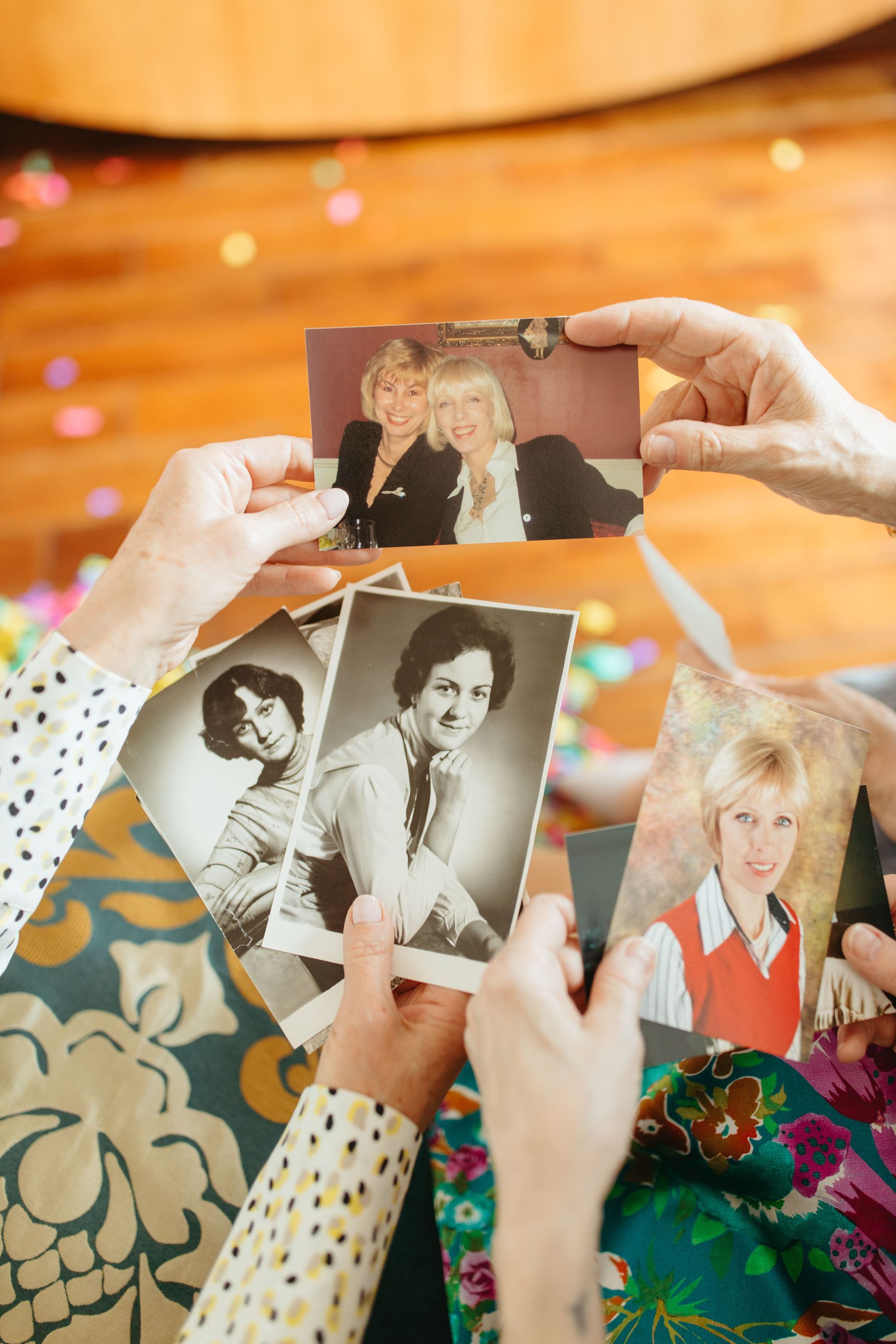
Some families may also choose a secular or nonreligious ceremony. These services can include photographs, music, readings, stories, personal reflections, or other meaningful ways of remembering someone.
The important thing to remember is that there is no single way to honor a life.
What Can Be Included in a Funeral Service?
A funeral does not have to follow one predetermined format. Depending on the family's wishes and the traditions involved, arrangements may include:
- Prayers, chanting, meditation, or other religious practices
- Participation from clergy or religious leaders
- Religious readings or sacred texts
- Traditional or meaningful music
- Religious symbols or meaningful objects
- Family-led ceremonies and rituals
- Special visitation or gathering practices
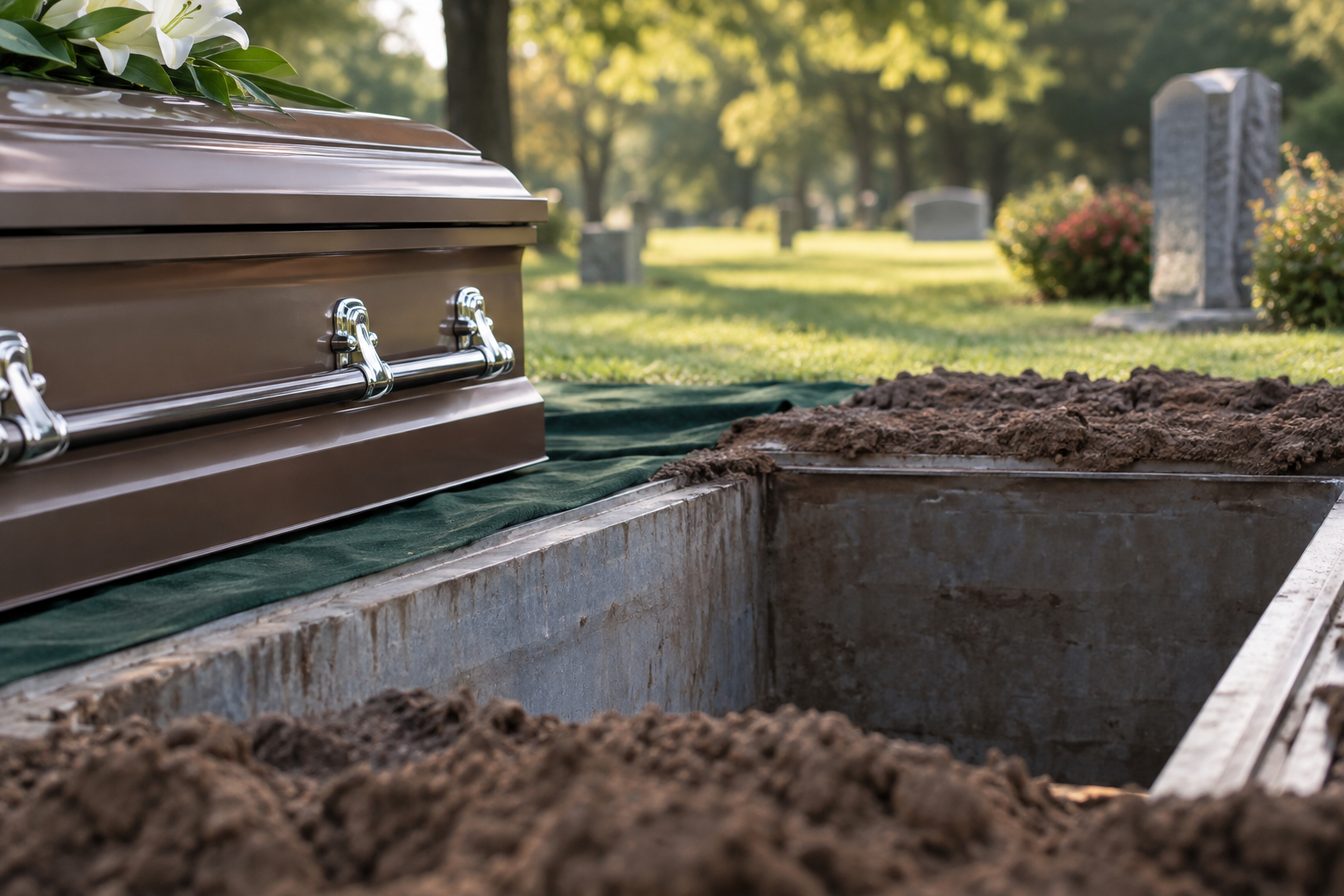
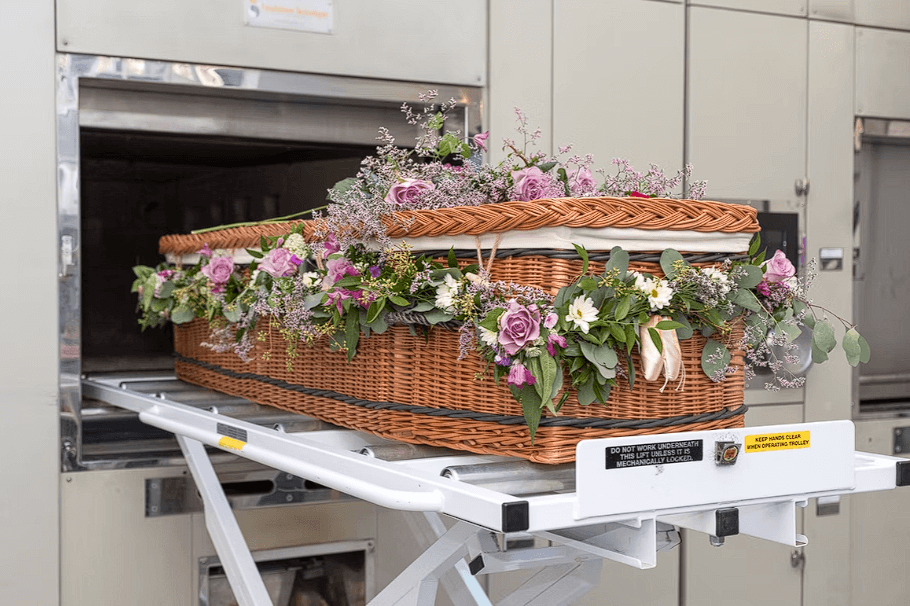
- Burial or cremation
- Services held at a church, temple, synagogue, mosque, or other place of worship
- Graveside or committal ceremonies
- Cultural foods or gatherings
- Personal traditions that are meaningful to the family
Some practices may require specific facilities, preparation, timing, or coordination with a religious organization. Talking with your religious or spiritual leader and funeral director early in the process can help identify what is needed.
Planning a Religious Funeral in St. Charles County
Families in St. Charles County and the surrounding communities come from many different religious and cultural backgrounds. You may know exactly which traditions you want to follow, or you may be unsure where to begin.
If you have specific religious or cultural wishes, share them with your funeral director. We can help you identify the details that need to be coordinated and work with your religious or spiritual leader when appropriate.
This may include coordinating between the funeral home and a church, synagogue, mosque, temple, cemetery, crematory, or other location.
You do not have to know all of the logistics before you begin making arrangements. Your religious leader can help explain the traditions that are important to your faith, while your funeral director can help coordinate those wishes as part of the funeral arrangements.
How Baue Funeral Homes Can Help
At Baue Funeral Home, we understand that every family has its own beliefs, traditions, and wishes. We take the time to listen and learn what is important to you.
If your family has traditions that are unfamiliar to you or to other members of your family, you do not have to navigate the practical details alone. We can work with your religious or spiritual leader and help coordinate the arrangements around the traditions you wish to observe.
A funeral may take place at the funeral home, a place of worship, a cemetery, or a combination of locations. The service may be religious, cultural, personal, or a combination of several traditions.
Our role is to help you create an experience that is meaningful to your family while respecting the beliefs and traditions that are important to your loved one.