A Sacred Farewell: Honoring Catholic Funeral Traditions

Baue Funeral Homes • July 29, 2025

Honoring Catholic Funeral Rites with Reverence and Care
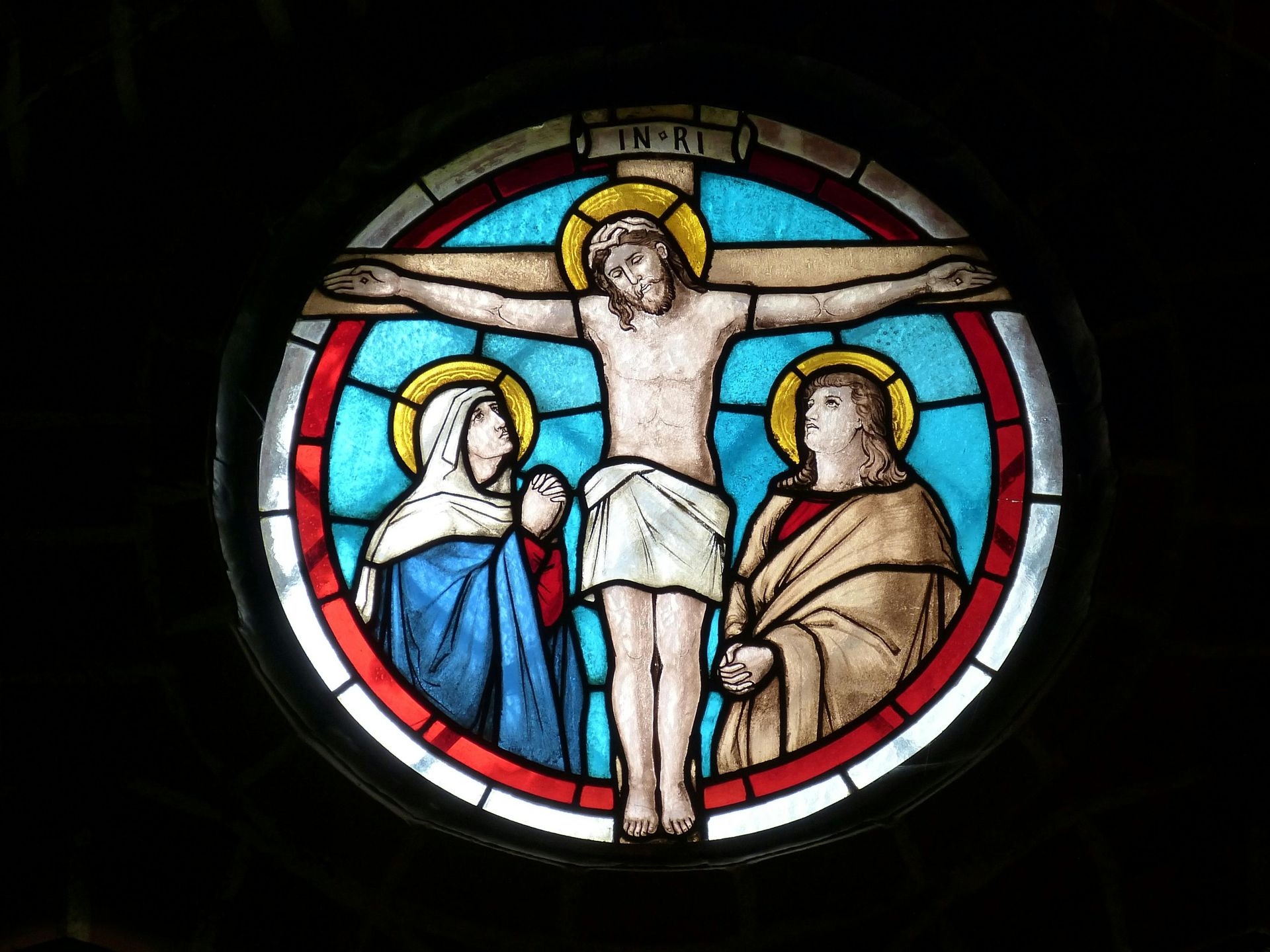
Honoring Catholic Funeral Traditions with Reverence and Compassion

At Baue Funeral Homes, we understand that faith plays a central role in how families honor the lives of their loved ones. We are privileged to serve families from many different religious and cultural backgrounds, and we take pride in tailoring each service to reflect those deeply held beliefs. For many in our community, the Catholic faith is an integral part of life and a source of hope in times of loss.

Catholic funeral traditions are rich with meaning, offering comfort and spiritual guidance to the grieving while commending the soul of the departed to God. At Baue, we respectfully uphold these sacred traditions while supporting families with compassion every step of the way.


The Catholic View of Life and Death

In Catholic teaching, life is a precious gift from God, and death is not the end but the beginning of eternal life. Funerals are a time for prayer, remembrance, and entrusting the soul of the deceased to God’s mercy. Catholic funerals are also deeply communal—they bring together family, friends, and the parish community to support one another in faith and hope.

For Catholic families, the funeral is not only a farewell but also a celebration of the promise of resurrection. It is a sacred occasion marked by prayer, scripture, and the rituals of the Church.


The Three Parts of a Catholic Funeral

Traditionally, Catholic funerals are composed of three parts, each with its own spiritual significance. Baue Funeral Homes helps families plan and coordinate each part in collaboration with their parish and clergy.

  1. The Vigil (Wake Service)
    The Vigil, also known as the wake, is usually held the evening before the funeral Mass. It is a time for family and friends to gather, pray, share memories, and offer support. The Vigil may include scripture readings, the rosary, or other devotions. Baue provides peaceful and welcoming spaces for Vigils, ensuring that the atmosphere reflects the family’s wishes and the reverence of the occasion.
  2. The Funeral Liturgy
    The church encourages the celebration of the funeral liturgy at the Mass. The funeral Mass, often called the Mass of Christian Burial, is the central liturgical celebration of a Catholic funeral. Held at the family’s parish or a Catholic church, it includes prayers, scripture readings, hymns, and the Eucharist. The Mass focuses on Christ’s victory over death and offers prayers for the repose of the soul of the deceased. This service is an act of worship, and not merely an expression of grief.
  3. The Rite of Committal (Burial or Interment Service)
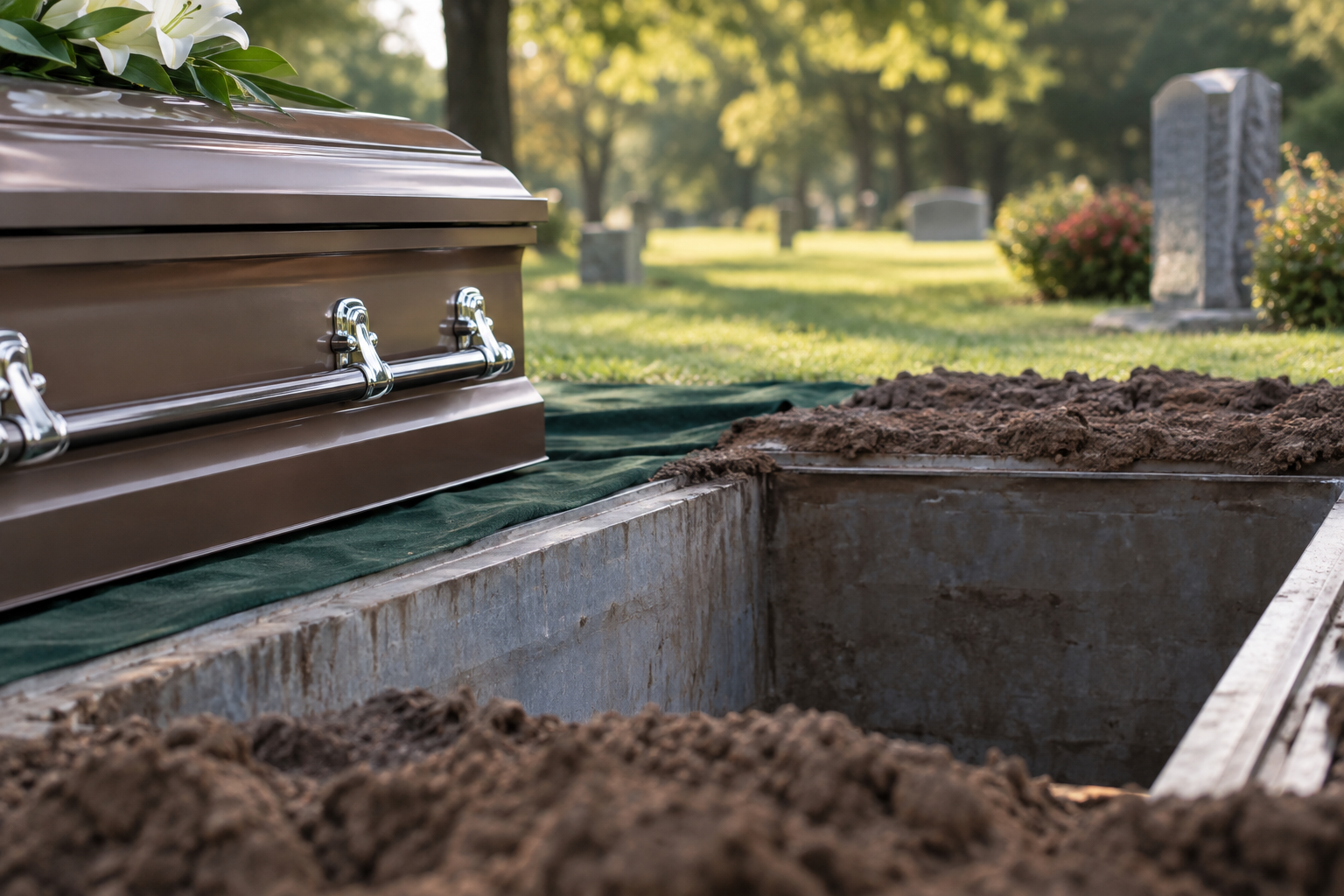
    After the Funeral Liturgy or Mass, the final prayers take place at the cemetery. The Rite of Committal is a brief but meaningful ceremony in which the priest or deacon prays for the deceased and blesses the final resting place. Baue works closely with families and clergy to ensure the burial is conducted with dignity, reverence, and proper Catholic tradition.


Catholic Cremation Guidelines

While traditional Catholic funerals typically involve burial, the Church does allow cremation.

If cremation is chosen to take place before the service, the Church permits the presence of cremated remains at the Mass, but it still asks that the remains be treated with the same reverence as a body. Scattering cremated remains is discouraged; instead, they should be placed in a sacred location, such as a Catholic cemetery or columbarium.

Baue Funeral Homes is well-versed in these guidelines and helps families make arrangements that align with Catholic teaching. We offer both traditional burial and cremation options that respect the dignity of the human body and the faith of the family.


Creating a Prayerful Atmosphere

Whether the service is a small, intimate gathering or a large parish funeral, Baue strives to create an atmosphere of prayer and peace. Our facilities are designed to accommodate Catholic customs, from placing a crucifix near the casket to providing areas for the rosary or devotional prayers.


Serving Catholic Families with Compassion

Our mission at Baue Funeral Homes is to walk alongside families in their time of need, offering not only logistical support but also compassion and understanding. For Catholic families, this means respecting the sacred nature of the funeral rites and ensuring that everything is done in accordance with their beliefs.

We believe that a Catholic funeral is a powerful reminder of God’s love, the hope of eternal life, and the strength of community. It is a privilege for us to be part of such a meaningful expression of faith.


Embracing All Faiths

While we have deep respect for Catholic traditions, we also serve families from many other faiths and backgrounds. Whether Christian, Jewish, Hindu, Muslim, Buddhist, or secular, we provide the same level of care and dedication to honoring what matters most to each family.

At Baue Funeral Homes, our commitment is to meet people where they are—offering services that reflect their beliefs, values, and culture with dignity and compassion.


A Sacred Farewell with Baue

For Catholic families, a funeral is more than a farewell; it is a sacred act of worship, remembrance, and hope. At Baue Funeral Homes, we consider it an honor to help families uphold their faith during life’s most difficult moments.

If you are planning ahead, or if you have recently experienced a loss, we are here to guide you with compassion and care. Together with your parish and loved ones, we will ensure that every detail reflects the sacredness of your Catholic tradition.


For more information on Catholic Funeral rites: https://www.usccb.org/prayer-and-worship/sacraments-and-sacramentals/bereavement-and-funerals/overview-of-catholic-funeral-rites


September 11, 2026
When planning a service for someone who has died, families often hear terms like funeral, memorial service, celebration of life and gathering . But what do they actually mean? The answer can be confusing because these terms are sometimes used interchangeably. There are also no strict rules about what a service has to look like. A funeral can be traditional. A memorial service can be simple. A celebration of life can be formal or casual. A gathering can include many of the same elements as any other type of service. What matters most is creating an experience that feels right for your family and honors the person who died. What Is a Funeral? A funeral is a service held to honor and remember someone who has died. Traditionally, a funeral takes place relatively soon after death and may include a visitation or viewing followed by a formal service. A funeral may be held at a funeral home, church or another location. Depending on the family's wishes, a funeral may include: Visitation or viewing Prayers or religious traditions Readings Music Eulogies Family and friends sharing memories Military honors Personal photographs A procession to the cemetery Burial or cremation One of the characteristics traditionally associated with a funeral is that the deceased may be present during the service. However, there is no requirement that every funeral look the same. Families can personalize a funeral in countless ways. Favorite music, photographs, hobbies, meaningful possessions, religious traditions and stories can all become part of the service. What Is a Memorial Service? A memorial service is a gathering held to remember and honor someone who has died, but the person who died is typically not present at the service. A memorial service may take place after cremation or after burial. One benefit of a memorial service is the flexibility it can provide. A family may choose to have a memorial service days, weeks or even months after a death. This can allow additional family members and friends to attend, particularly if people are traveling from different locations. A memorial service may include many of the same elements as a funeral: Music Readings Prayers Photographs Stories Eulogies Video tributes Personal belongings Military or other honors Time for family and friends to share memories A memorial service can be just as meaningful as a traditional funeral. What Is a Celebration of Life? A celebration of life is a gathering focused on remembering and honoring a person's life, personality, relationships and memories. The name itself often reflects the tone families want for the gathering. A celebration of life might be formal, casual, religious, humorous, traditional or completely unique to the person being remembered. Some families choose a celebration of life because they want the gathering to feel less formal. Others simply prefer the phrase because it reflects how they want to remember their loved one. There is no specific format a celebration of life has to follow. It could include photographs and stories, favorite music, food, hobbies, videos, personal items or anything else that helps people remember the person. For one family, a celebration of life might look very similar to a traditional funeral. For another, it might be a casual gathering where people share stories over their loved one's favorite meal. Both can be meaningful. Is a Celebration of Life the Same as a Memorial Service? Not necessarily, although the terms can overlap. A memorial service describes what the gathering is : a service held to remember someone who has died. A celebration of life describes more of the tone or approach of the gathering. A family may have a memorial service that is also a celebration of life. For example, a family might gather at a funeral home after cremation, display photographs and personal belongings, play the person's favorite songs and invite friends to share stories. That could accurately be described as both a memorial service and a celebration of life. Can You Have a Funeral After Cremation? Yes. Cremation does not mean you cannot have a funeral or memorial service. Families have many options when choosing cremation. A family may choose to have: A funeral service before cremation A visitation followed by cremation A memorial service after cremation A celebration of life after cremation A private family gathering A combination of services Cremation determines the method of final disposition. It does not determine how you have to remember your loved one. This is something many families don't realize. If you want the opportunity to gather with family and friends, share memories and honor your loved one, cremation does not take that opportunity away. Does the Person Have to Be Present for a Funeral? Traditionally, a funeral may involve the deceased being present, while a memorial service typically takes place after burial or cremation. However, families today have more flexibility in how they choose to gather. There are no universal rules that say your service has to follow one particular format. What matters is deciding what will be meaningful and comfortable for your family. How Do You Choose Between a Funeral and Memorial Service? There isn't one answer that works for every family. Start by thinking about what is important to you. Do you want family and friends to have an opportunity to see and say goodbye to your loved one? A visitation or funeral with the person present may be meaningful. Would you prefer to have more time to plan the gathering? A memorial service after burial or cremation may provide additional flexibility. Do you want something less traditional? A celebration of life may be a good fit. Are there religious or cultural traditions that are important to your family? Those traditions may help guide your decisions. You can also talk with your funeral director. They can explain the different options and help you understand how each type of service could work for your family. How Can You Personalize a Funeral or Memorial Service? Personalization doesn't have to mean spending more money. Some of the most meaningful details are simple. Consider incorporating: Photographs Display photographs from different stages of your loved one's life. Music Choose songs your loved one enjoyed or music that holds special meaning for your family. Stories Invite family members and friends to share memories. Personal belongings Display items connected to hobbies, careers, accomplishments or everyday life. Favorite foods If appropriate, serve favorite foods or refreshments during a gathering. Military service If your loved one served in the military, ask about available military honors. Religious traditions Include prayers, readings or other traditions that were meaningful to your loved one. Hobbies and interests Whether they loved gardening, fishing, sports, cooking, travel or collecting something, those interests can become part of the service. The goal isn't to create a perfect service. The goal is to create something that feels like the person you are remembering. Do You Have to Call It a Funeral? No. Families sometimes become concerned about choosing the “right” terminology. You don't have to. You can call your gathering a funeral, memorial service, celebration of life, remembrance service or simply a gathering. The name matters far less than what the gathering means to your family. What matters is giving people an opportunity to come together, remember someone they love and support one another. Can a Funeral Be Simple? Absolutely. A meaningful service doesn't have to be elaborate. A small gathering with close family and friends can be just as meaningful as a large service. Some families want a traditional ceremony with many elements. Others prefer something simple and intimate. There is no required number of people, decorations, readings, songs or speeches. Your service should reflect your family and your loved one—not someone else's idea of what a funeral should be. What If Our Family Doesn't Know What Our Loved One Wanted? This is a common concern. Sometimes a person leaves detailed instructions about their funeral or cremation wishes. Other times, families are left to make decisions without knowing exactly what their loved one would have chosen. If you find yourself in that situation, start with what you do know. Think about your loved one's personality, beliefs, relationships, traditions and the things that were important to them. Ask family members what they remember. You may be surprised by how many small details come together to create a meaningful picture of what your loved one might have wanted. And remember—you don't have to make every decision perfectly. You are making decisions out of love. There Is No One Right Way to Remember Someone A funeral. A memorial service. A celebration of life. A small family gathering. A large service filled with friends and relatives. Each can be meaningful. The most important thing is that the service gives your family an opportunity to remember, honor and say goodbye in a way that feels right. At Baue Funeral Homes, we work with families to help them understand their options and create services that are meaningful and personal. Whether you choose a traditional funeral, a memorial service, a celebration of life or something completely your own, we are here to help you understand what's possible and what comes next. Frequently Asked Questions What is the difference between a funeral and a memorial service? A funeral traditionally takes place with the deceased present, while a memorial service typically takes place after burial or cremation. However, families have flexibility in how they choose to hold a service. What is a celebration of life? A celebration of life is a gathering focused on remembering and honoring a person's life, relationships, personality and memories. It can be formal, casual, religious or completely personalized. Is a celebration of life the same as a funeral? Not necessarily. A celebration of life can be considered a type of funeral or memorial gathering, but the term often suggests a more personalized or less traditional approach. Can you have a memorial service after cremation? Yes. Many families choose to hold a memorial service after cremation. The service can take place at a funeral home, church or another meaningful location. Can you have a funeral before cremation? Yes. Families can have a visitation or funeral service before cremation. Can a celebration of life be held at a funeral home? Yes. Funeral homes can provide a setting for celebrations of life, memorial services and traditional funerals. How long after someone dies is a memorial service? There is no required timeframe for a memorial service. Some families hold one within days of the death, while others wait weeks or months to allow family and friends time to gather. What should be included in a celebration of life? There are no required elements. Families may include photographs, music, stories, readings, videos, personal belongings, food, hobbies, religious traditions or anything else that helps tell the story of the person's life. Is a funeral always religious? No. A funeral can be religious, spiritual, secular or personalized around the beliefs and wishes of the person and family.  How do I decide what type of service is right for my family? Consider your loved one's wishes, your family's traditions, whether you want the person present, the type of gathering you want and what would be meaningful to those attending. A funeral director can also help you understand your options.
September 11, 2026
When someone you love dies, it can be difficult to know what happens next. There may be phone calls to make, family members to contact and decisions that suddenly need to be made. At the same time, you may be wondering what actually happens when your loved one is brought into the care of a funeral home. Knowing what to expect can make those first hours and days feel a little less overwhelming. While every family and every situation is different, the process generally begins with a simple phone call. From there, your funeral director helps guide you through the next steps, answers your questions and gives you time to make decisions. The First Call to the Funeral Home After a death occurs, the first step depends on where and how the death occurred. If your loved one was receiving hospice care at home, the hospice provider should be contacted first. Hospice will guide the family through the appropriate steps and contact the funeral home when it is time for your loved one to be transferred into our care. If the death was unexpected and your loved one was not under hospice care, call 911 or the appropriate emergency authority first. Once the proper authorities have been contacted, you can call the funeral home. At Baue Funeral Homes, a funeral director is available 24 hours a day to help families when they need us. You do not need to have everything figured out before you call. In fact, you may not know what questions to ask yet. That is okay. Your funeral director can explain what happens next and help you take things one step at a time. Bringing Your Loved One Into Our Care Once the appropriate arrangements have been made, your loved one is brought into the care of the funeral home. This is an important part of what a funeral home does, but it is also something many families don't know much about. At Baue, caring for your loved one means more than simply transporting them from one place to another. Our staff takes responsibility for their care and treats them with dignity and respect throughout the entire process. If cremation is chosen, we see your loved one through the entire cremation process at our own crematory. For families choosing burial, your funeral director will help coordinate the necessary arrangements for preparation, visitation, funeral services and cemetery services. Meeting With the Funeral Director After your loved one is in our care, you will meet with a funeral director to begin making arrangements. This meeting is sometimes called an arrangement conference. There may be many things to discuss, including: Burial or cremation Visitation or gathering Funeral or memorial service Cemetery arrangements Casket or urn Clothing and personal items Obituary Flowers Music Veterans' honors Religious or cultural traditions Family traditions Personalization Death certificates Final disposition You do not have to know all of the answers when you walk through the door. Your funeral director will explain your options and help you understand what decisions need to be made now and what can wait. What Happens to the Person Who Died? Families sometimes wonder what actually happens to their loved one after they arrive at the funeral home. The answer depends on the family's plans. If the family is having a viewing or visitation, preparation may be discussed based on the family's wishes. This could include embalming, dressing, hairstyling and other preparation. If the family chooses cremation, the funeral director will explain the cremation process and the decisions that need to be made before cremation takes place. If the family chooses burial, the funeral director will coordinate the necessary services and cemetery arrangements. Throughout the process, your loved one remains in our care. Planning the Funeral or Memorial Service One of the most meaningful parts of funeral planning is deciding how you want to gather with the people who knew and loved your family member. A service does not have to follow a specific formula. Some families choose a traditional funeral with visitation followed by a service. Others choose a memorial service after cremation. Some families have a smaller gathering with immediate family, while others want a large celebration that brings together everyone who knew their loved one. The service can include music, photographs, stories, readings, religious traditions, military honors, favorite foods, personal belongings or other details that help tell the story of a life. There is no single right way to have a funeral. The goal is to create something that feels appropriate for your family and reflects the person you are remembering. Writing the Obituary and Sharing the News Your funeral director can also help guide you through the obituary process. An obituary may include basic information such as your loved one's name, age, date of death and surviving family members. But it can also become a meaningful way to tell the story of a life. Families may choose to include photographs, favorite memories, accomplishments, hobbies, organizations, military service and other details that made their loved one who they were. At Baue, obituary pages can also provide information about the service and ways for friends and family to offer condolences, share memories or send flowers. For many families, the obituary becomes much more than an announcement of a death. It becomes a lasting memorial. Death Certificates and Other Paperwork There is also paperwork that needs to be completed after a death. Your funeral home will help with the necessary documents and guide you through obtaining certified copies of the death certificate. Families often wonder how many copies they should order. The answer depends on how many financial accounts, insurance policies, property matters and other legal or business matters need to be handled. Many families find that five to ten certified copies are a reasonable starting point. Additional copies can be ordered later if needed. Your funeral director can help you think through what your family may need. What About the Cemetery? If burial or cemetery placement is part of your plans, there are additional decisions to consider. These may include selecting a cemetery space, choosing a location, purchasing a burial vault or other required cemetery merchandise, and arranging for the opening and closing of the grave. Families choosing cremation may also choose cemetery placement for the cremated remains. Cremation does not mean you have to give up having a permanent place to visit. Some families choose a niche, urn burial or another form of permanent memorialization. What If We Don't Know What We Want Yet? You don't have to have all the answers immediately. This is one of the most important things to remember after someone dies. It is normal to feel uncertain. You may have never planned a funeral before. You may be making decisions for someone else when you don't know what they would have wanted. You may also have family members with different opinions. Your funeral director can help explain your options without expecting you to already understand the process. Ask questions. Take your time when possible. Talk with your family. And don't be afraid to say, “I don't know.” That is part of what a funeral director is there for. What Happens After the Funeral? The funeral home's involvement does not necessarily end when the service is over. Depending on the arrangements, there may still be cemetery placement, cremation, delivery or placement of cremated remains, additional certified death certificates or other details to complete. There may also be questions about memorialization, grief resources, thank-you notes, estate paperwork or other matters that arise after the service. Every family is different, and your funeral director can help you understand what comes next. You Don't Have to Know What to Do When someone dies, families are often told there are many things they need to do. But you don't have to know everything before you make the first phone call. You don't have to know whether you want a funeral or memorial service. You don't have to know whether you want burial or cremation. You don't have to know how many death certificates you need. And you don't have to know what questions to ask. You can simply start with a phone call. At Baue Funeral Homes, our funeral directors are here to guide families through the process, answer questions and help you understand your choices. We know that every person is different and every family is different. Our job is to listen, explain your options and help you make decisions that feel right for your family. When you know what to expect, the process can feel a little less overwhelming. And when you're ready, we're here to help you understand what happens next. Frequently Asked Questions What happens when someone dies at home? If your loved one is receiving hospice care, contact the hospice provider first. If the death is unexpected and your loved one was not under hospice care, call 911 or the appropriate emergency authority. Once the proper authorities have been contacted, you can contact the funeral home. What does a funeral home do after someone dies? A funeral home helps care for the person who died, coordinates transportation and necessary paperwork, assists with funeral or cremation arrangements, helps plan the service and works with the family through burial, cremation or other final arrangements. How soon should I call a funeral home after someone dies? You can call the funeral home as soon as the appropriate medical or emergency authorities have been contacted. If your loved one was receiving hospice care, follow the instructions provided by hospice. Do I have to make funeral arrangements immediately? Some decisions need to be made relatively quickly, but not every decision has to be made at once. Your funeral director can explain what needs immediate attention and what can wait. What happens if I choose cremation? Your funeral director will explain the cremation process, required authorizations and available options. At Baue, we own and operate our own crematory and see your loved one through the entire cremation process. Can I have a funeral if my loved one is cremated? Yes. Families can have a funeral, visitation, memorial service or gathering before or after cremation. How many death certificates should I order? Many families begin with five to ten certified copies, depending on their individual circumstances. Additional copies can be ordered later if needed. What should I bring to the funeral home? Depending on the arrangements, helpful items may include clothing, photographs, information for the obituary, military discharge papers such as a DD214, and any documents or information related to your loved one's wishes. What if I don't know what kind of funeral my loved one wanted? Talk with your funeral director and your family. You can discuss the options available and consider what you know about your loved one's personality, beliefs, relationships and wishes. You do not have to have every answer before you begin.  How do I know what happens next? Your funeral director will walk you through the process and explain the decisions that need to be made. You can always ask questions or ask your funeral director to explain something again. At Baue Funeral Homes, we believe knowledge can empower families. Understanding what happens next can help you feel more prepared during a difficult time.
July 6, 2026
Why Cemetery Preplanning Matters
May 19, 2026
Learn how funeral homes help families manage funeral arrangements, paperwork, cremation planning, and other important details after a loss.
March 24, 2026
Common Funeral Myths (and the Truth Behind Them)